
Build your nurse anesthesia program right the first time
From feasibility and capacity planning to curriculum architecture and the COA accreditation pathway, we bring CRNA-specific expertise to every stage of a new program.
Where we help
- This page
New and developing programs
Feasibility and capacity planning, curriculum architecture and the COA accreditation pathway.
Established programs
We find the root causes behind pass-rate, attrition and clinical capacity problems, then design targeted, evidence-based interventions.
Existing program reviewAccreditation and transitions
Self-study preparation, site visit readiness, and steady guidance through leadership changes, growth and curriculum overhauls.
External review and mock site visits
Five steps, scoped to your program
A comprehensive assessment typically takes 4 to 8 weeks from kickoff to final report, depending on program size and data availability.
Step 1: DiscoveryNo cost
An initial consultation to understand your program's context, goals and constraints. We listen first, so the work starts from your situation.
Step 2: Comprehensive assessment
A structured review of your program: curriculum mapped against COA standards and the NBCRNA content blueprint, outcome data, faculty and clinical site capacity, and student support systems.
Step 3: Findings and recommendations
A detailed written report with prioritized, actionable recommendations, each tied to specific standards, benchmarks and evidence. Every recommendation explains how to carry it out.
Step 4: Implementation support
We stay after the report. We work alongside your faculty and administration to put changes in place, from redesigning courses to building assessment systems, at whatever level of involvement you need.
Step 5: Ongoing partnership
Many programs retain us for periodic check-ins, annual outcome reviews and support through their next accreditation cycle, with a partner who already knows the program.
What you receive
Delivered by practicing, doctorally prepared CRNAs with experience in program leadership, curriculum development and COA accreditation.
- Written assessmentBenchmarked against COA standards and peer institutions.
- Curriculum mapsAligned to the NBCRNA content blueprint.
- Prioritized action planWith timelines and measurable targets.
- Outcome trackingDashboards for pass rates and attrition.
- Faculty workshopsFaculty development tailored to your team.
The consultants you meet are the consultants you get
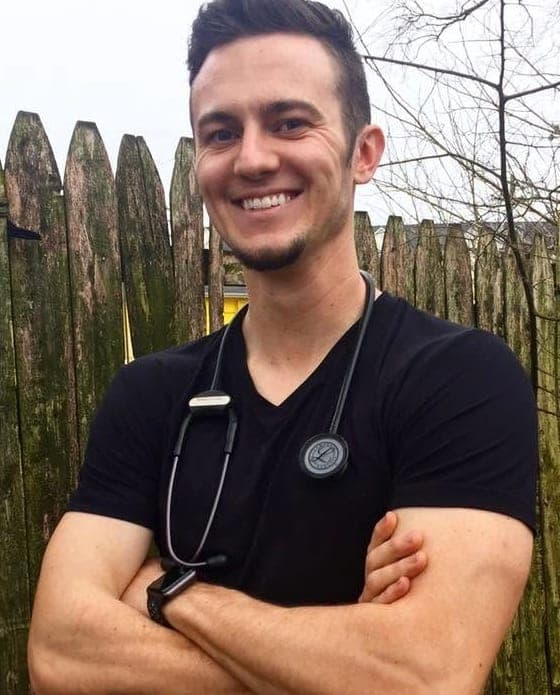
Dr. Boone Simmons, DNP, CRNA, APRN
A current program administrator. He leads operational build-out: turning an approved plan into the policies, processes and daily structure a program needs before its first cohort arrives.
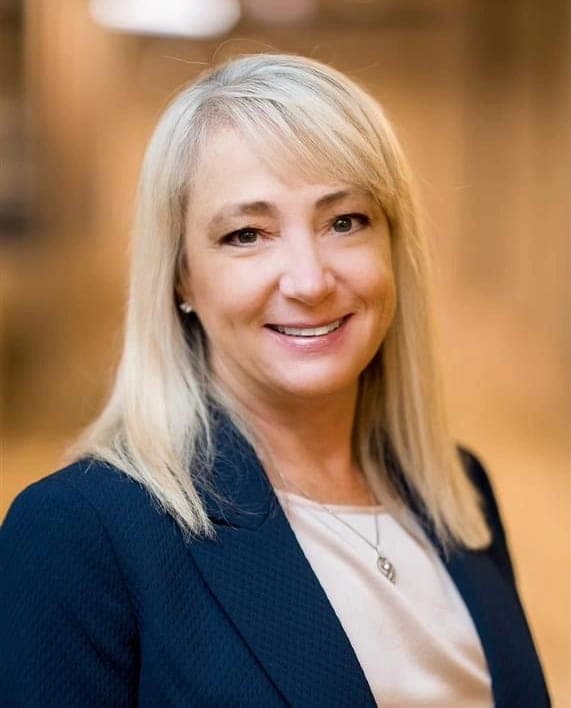
Dr. Angela Mund, DNP, CRNA, FAANA, FAAN
Advises institutions on accreditation pathway and eligibility, clinical site adequacy, and the evaluation systems that keep a program defensible year over year.
Frequently asked questions
Can't find your answer? Email zach@synesthesiaedu.com.
- What does a typical engagement cost?
- Engagements are scoped to your program, from a focused curriculum audit to a multi-year implementation partnership. Every engagement begins with a free consultation, and you receive a clear, fixed-scope proposal before any commitment.
- How long does a program assessment take?
- Typically 4 to 8 weeks from kickoff to final report, depending on program size and data availability. Focused audits can move faster.
- Do you work remotely or on-site?
- Both. Most assessment and curriculum work happens remotely. Site visits, faculty workshops and accreditation preparation often benefit from on-site days. We tailor the mix to your program.
- Can you help a program that hasn't launched yet?
- Yes. Pre-launch is one of the best times to engage. We help with feasibility, capacity planning, curriculum architecture and the COA accreditation pathway from day one.
- Who will actually do the work?
- The consultants on our About page: practicing, doctorally prepared CRNAs with experience in program leadership, curriculum development and COA accreditation. We don't subcontract your program to junior staff.
Planning a program? Start with a conversation.
Tell us where your institution is in the decision and what you're trying to solve. The first consultation is free.